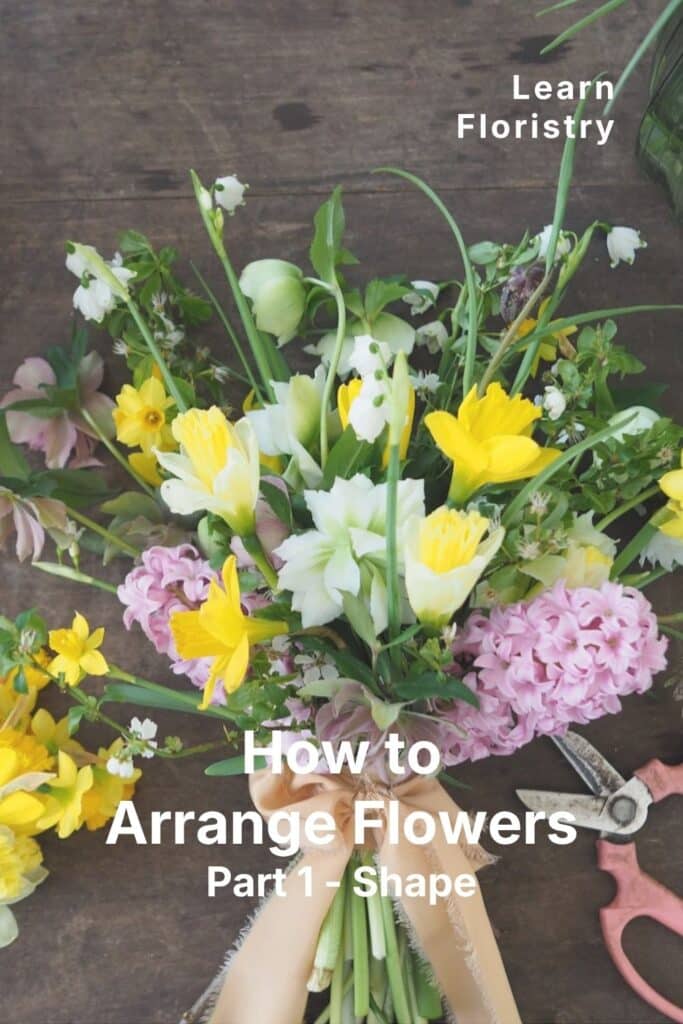
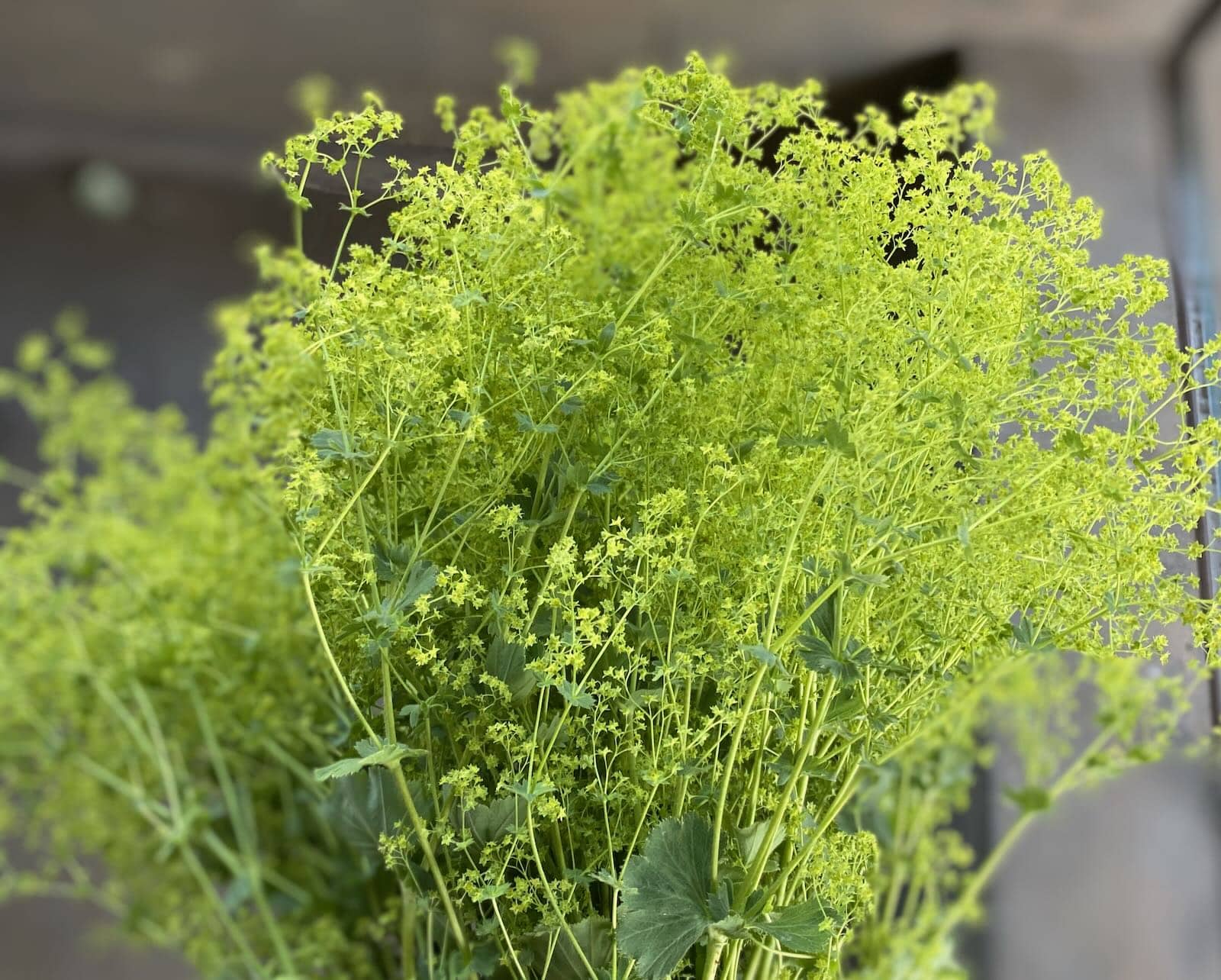
I've been a florist since I was 16, and fell in love with soft english-country garden florals. I'm all about texture, shape and colour, and whilst my designs look natural, there are some guiding principles I use to create balanced arrangements.
Some rules are there to be pushed, but when you're starting out in floristry, these guiding principles that can help make your arrangements flow more naturally.
In this blog series, I'm going to share with you the thought process I use to create English-country garden inspired florals.
Today we're talking about shape, and the 4 elements you need to think about when you're arranging flowers.
The 4 key elements of flower arranging
Nearly every stem you work with can be placed into one of four categories. Once you start to recognise them, arranging becomes much more intuitive.
Focal flowers
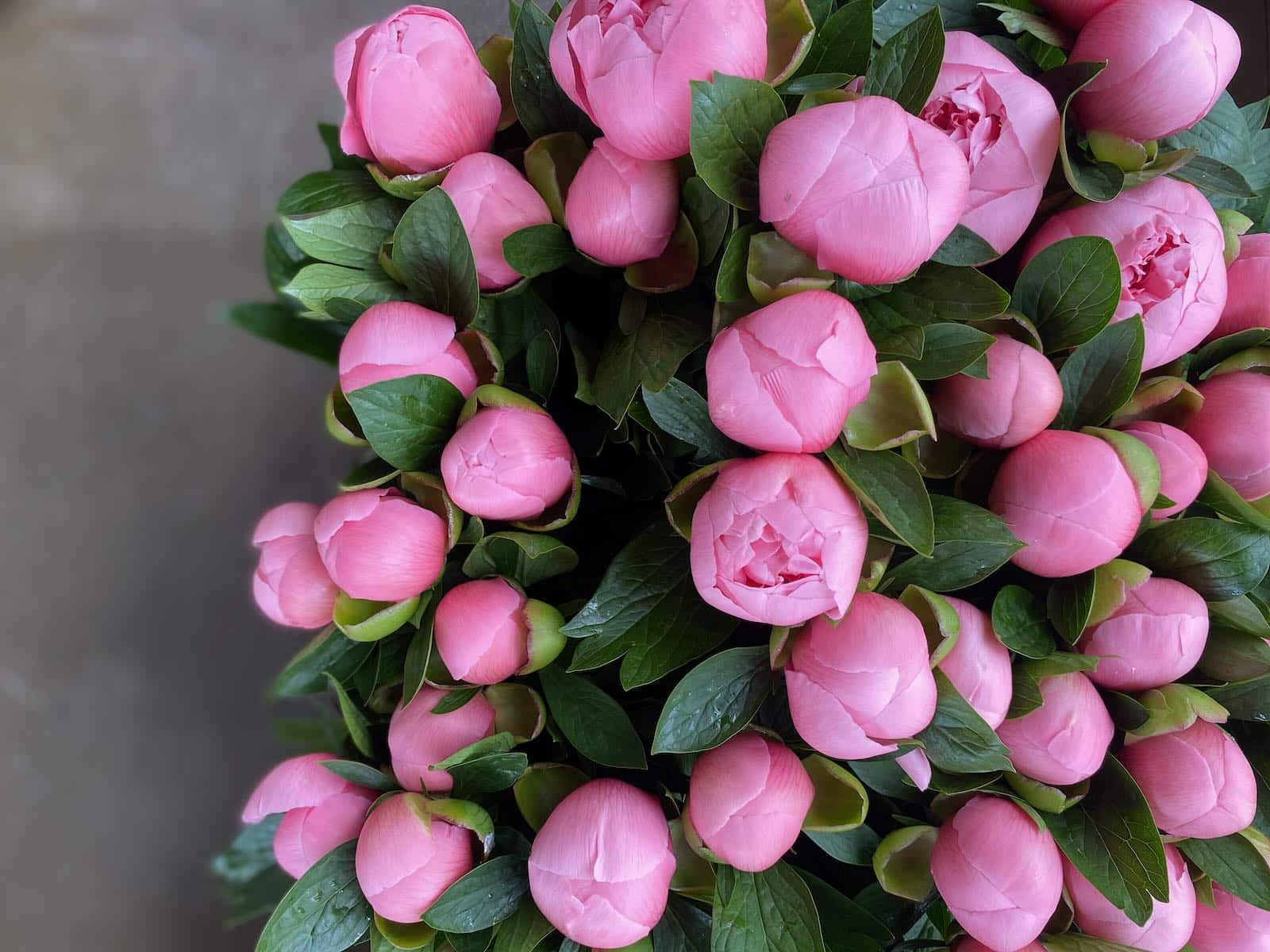
Focal flowers are the ones that naturally draw your eye. They tend to be larger, single flowers on one stems, and generally are round in shape.
These are the show off's in your arrangement. Think roses, peonies, dahlias and hydrangeas.
Filler flowers
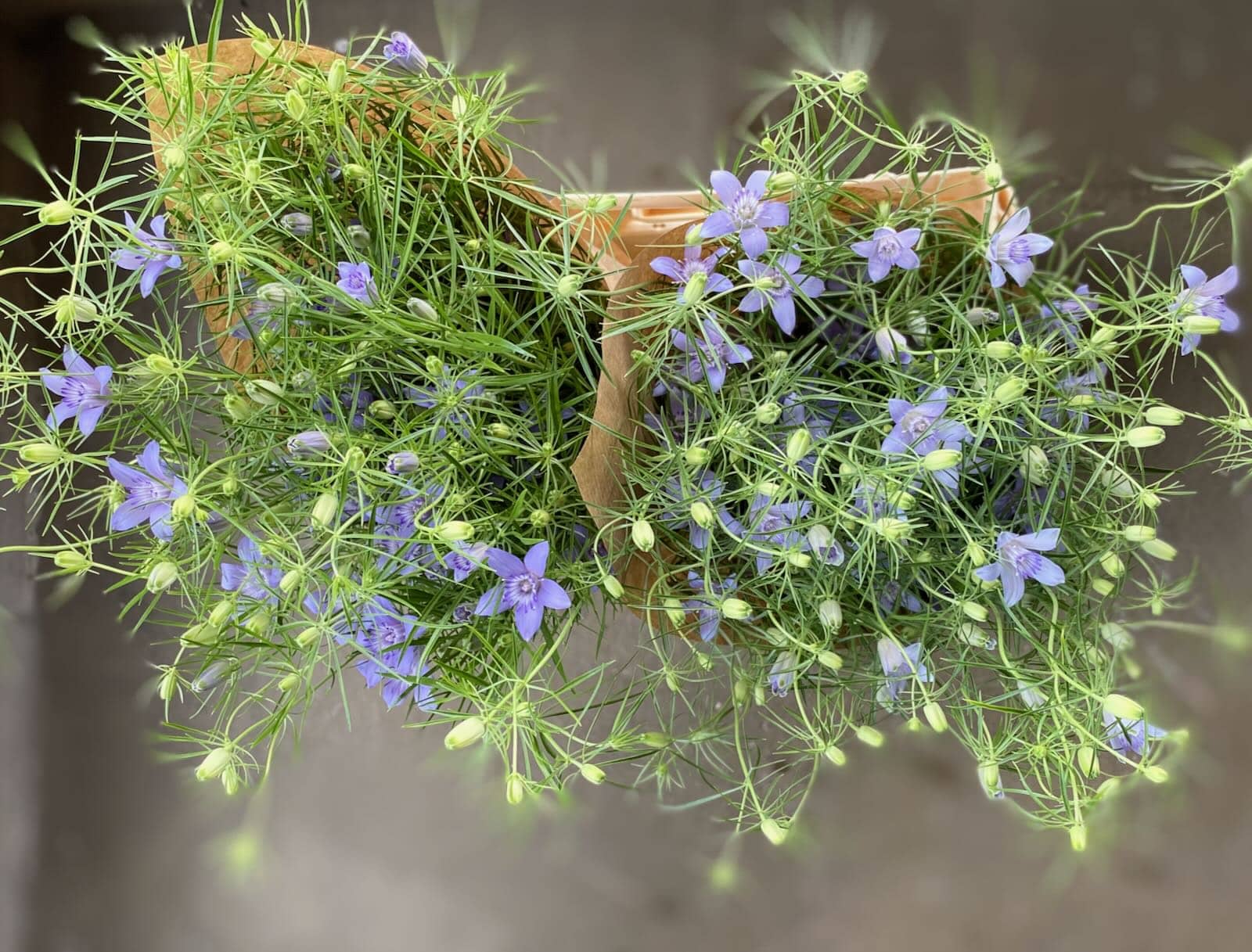
Filler flowers do exactly what their name suggests. They help to soften the arrangement, filling gaps and creating texture.
They are usually smaller and more delicate, with multiple heads per stem. These include eustoma, astrantia, gypsophilia, agapanthus, achellia and more!
Line flowers
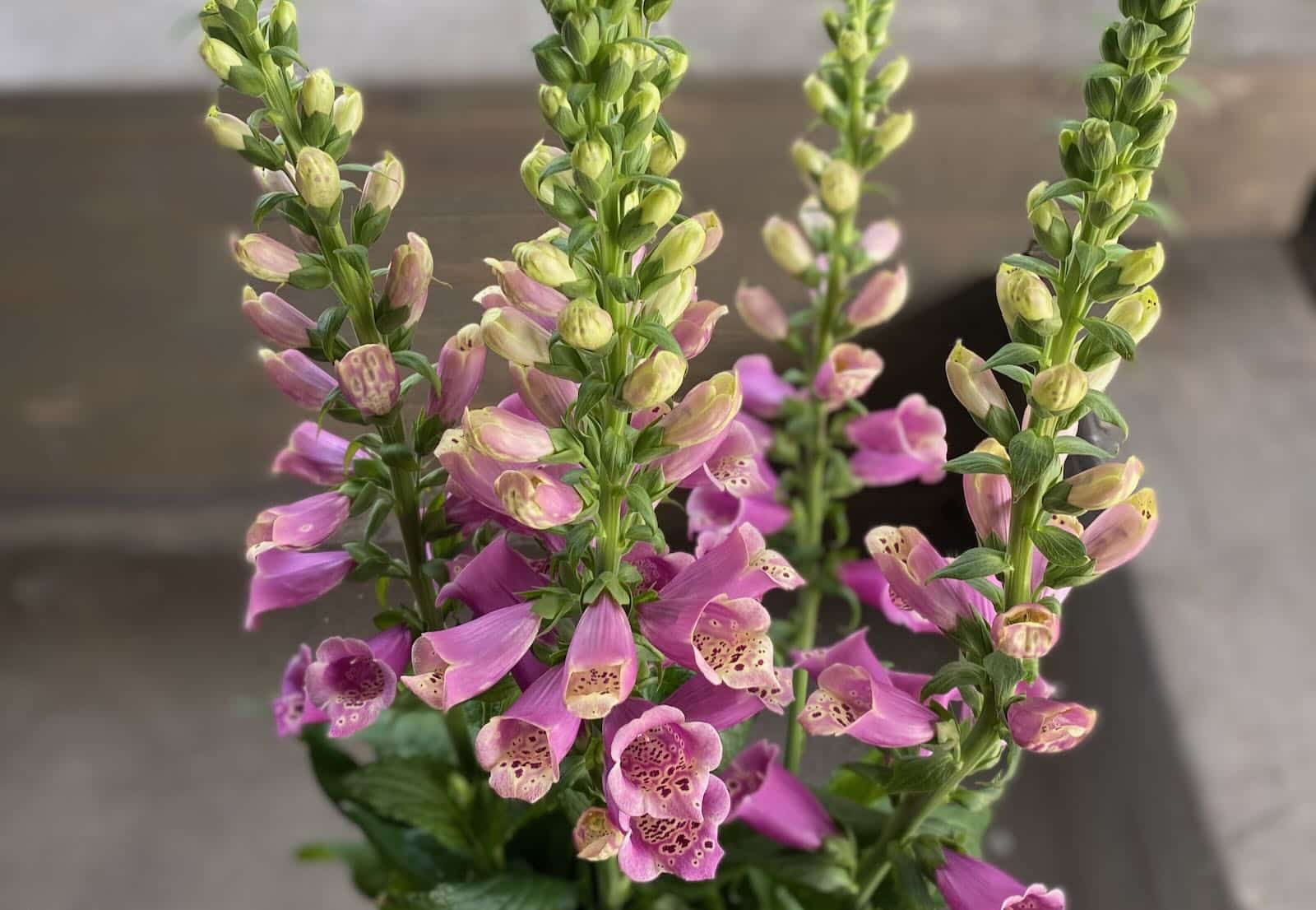
Line flowers bring height and direction to your arrangements.
These might be more structural stems, something with height, or a gentle curve. They generally have multiple flower heads going up the stem. Look out for stocks, delphiniums, solomons seal, foxgloves, larkspur and more.
Foliage
Foliage is always my favourite part of flower arranging. There is so much chocie, and its crucial to provide the framework for your arrangement.
Greenery is what gives it that looser, garden feel.
The world is your oyster here - flowering herbs, tree branches, eucalytpus, choysia and more. Basically anything with a green leaf.
Why this way of thinking about flowers matters
When I first started, thinking about flowers in this way felt quite formulaic, but once you start to recognise the shapes that the flowers create and how this can affect your finished arrangement, it starts to become second nature.
It's not just about the individual flower stems, it's about how each flower sits alongside its neighbour and enhances the whole arrangements.
You can play around with the proportions of your ingredients, but I generally like to use:
- 1-3 varieties of focal flower
- 2-5 varieties of filler flower
- 1-2 varieites of line flower
- 2-6 varieites of greenery.
Learning floristry in Berkshire
These are the same principles I teach in my floristry workshops at Green Parlour, based in Bradfield near Reading. Whether you’re completely new to flowers or looking to refine your style, understanding these foundations is where everything begins. Workshops are small and relaxed, with plenty of time to learn, practise and ask questions along the way.