How to Start a Floristry Business (Real Advice from a Working Florist)
How to Start a Floristry Business (Real Advice from a Working Florist)
Thinking about starting a floristry business?
Whether you’ve just finished training, you’re moving from hobby to profession, or you’ve simply decided it’s time to follow your love of flowers, starting a floristry business is both exciting and, at times, a little overwhelming.
There are so many areas of floristry from weddings, events, retail, workshops, corporate, funerals and more. Knowing where to begin isn’t always obvious.
Having built my own floristry business over the past 18 years, I want to share a few things that really matter when you’re starting out. Not the creative side, but the practical decisions that shape a business that you want to own.
Starting a floristry business usually involves: - Developing your floristry skills through practice or training
- Deciding what type of floristry work you’d like to focus on
- Building a small portfolio of your work
- Setting up a simple website and brand presence
- Starting small and growing your business gradually
- Learn how to market your business
What kind of floristry business do you want to build?
- Are you dreaming of creating beautiful wedding flowers?
- Do you want to serve people in a bricks-and-mortar shop?
- Are you drawn to teaching and sharing your love of florals through classes and workshops?
- Do you want to just create bouquets and offer local deliveries?
- Do you just want to work in the corporate floristry world?
There are so many routes you can take in your floral career, but my strongest piece of advice is this: niche down from the start and grow slowly. Doing less, but with focus will help you build a business that feels authentic and sustainable.
Each path requires slightly different skills, pricing structures and ways of working, so having some clarity early on can really help guide your decisions
Know Your Numbers
This is THE BIGGEST trap beginner business owners fall into.
Underpricing and not having a clear pricing stratergy. Money is one of the topics that come up time and time again whilst I'm talking to clients.
Underpricing is rife in the industry. Ultimately, it devalues both your work and your time. No one likes working for free, and without a clear grasp of your costs and margins, it’s very difficult to build a sustainable career.
Here’s where to start: - Calculate your costs. Flowers, sundries, tools, delivery, utilities, and most importantly, your time.
- Add a proper markup: Industry standard is around 3.5x to 4.5x the stem cost.
- Keep records: Track what your spending, flower prices - you name it, track it! I recommend investing in accountancy software (I love Xero, but there are many options available).
- Get help if you need it: A good accountant is worth their fee.
Review your numbers often: When you know what’s profitable and what needs adjusting, you’ll feel far more confident in the direction your floristry business is heading.
Build a website early (don’t rely on social media)
Building your own website (or investing in someone to build one for you) is something I’d prioritise over social media.
Your website is the one space online that you truly own. You have full control over its content, design, and message, and it instantly adds credibility and gravitas to your floristry business. I’ve seen many new start-ups run their entire business solely through social media, and I highly advise against it. Platforms change, algorithms shift, and accounts can disappear overnight.
The good news? Creating a professional website doesn’t need to be expensive or complicated. I personally love Squarespace, it’s a fabulous drag-and-drop builder with beautiful templates that suit a creative business perfectly.
Your first website doesn’t need to be complex. Even a simple landing page with: A sign-up form for your newsletter, Your contact details, and A few photographs of you and your floral work, …is more than enough to begin with.
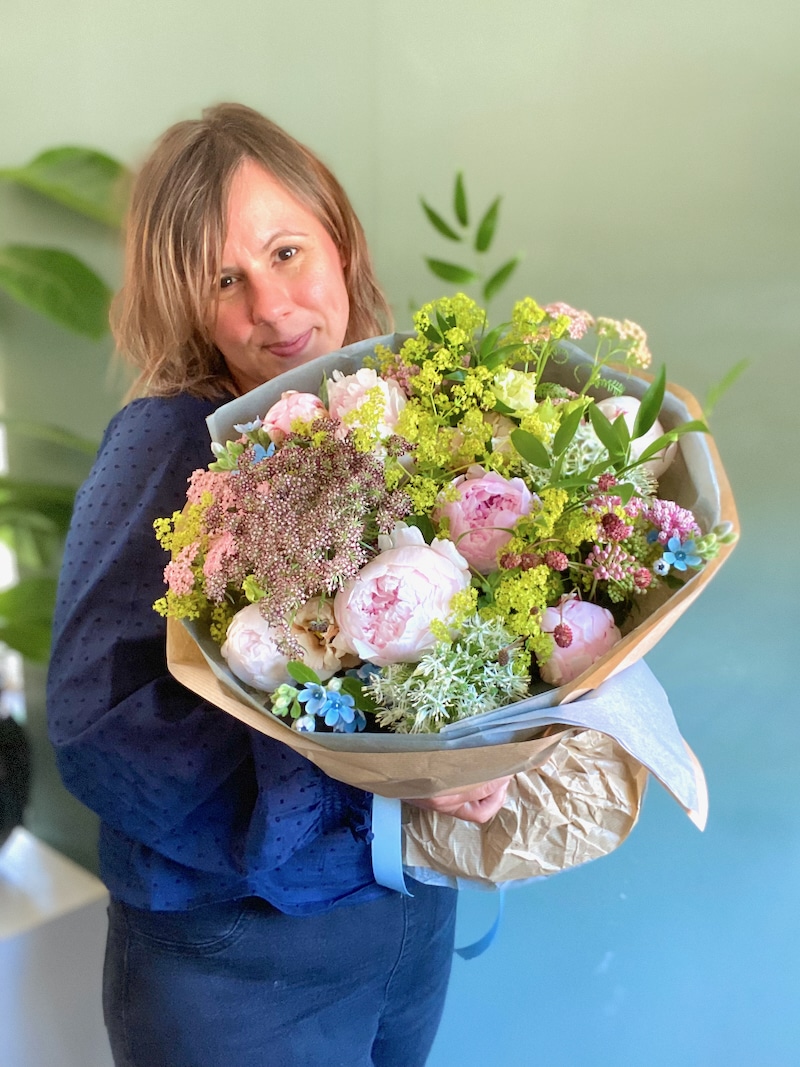
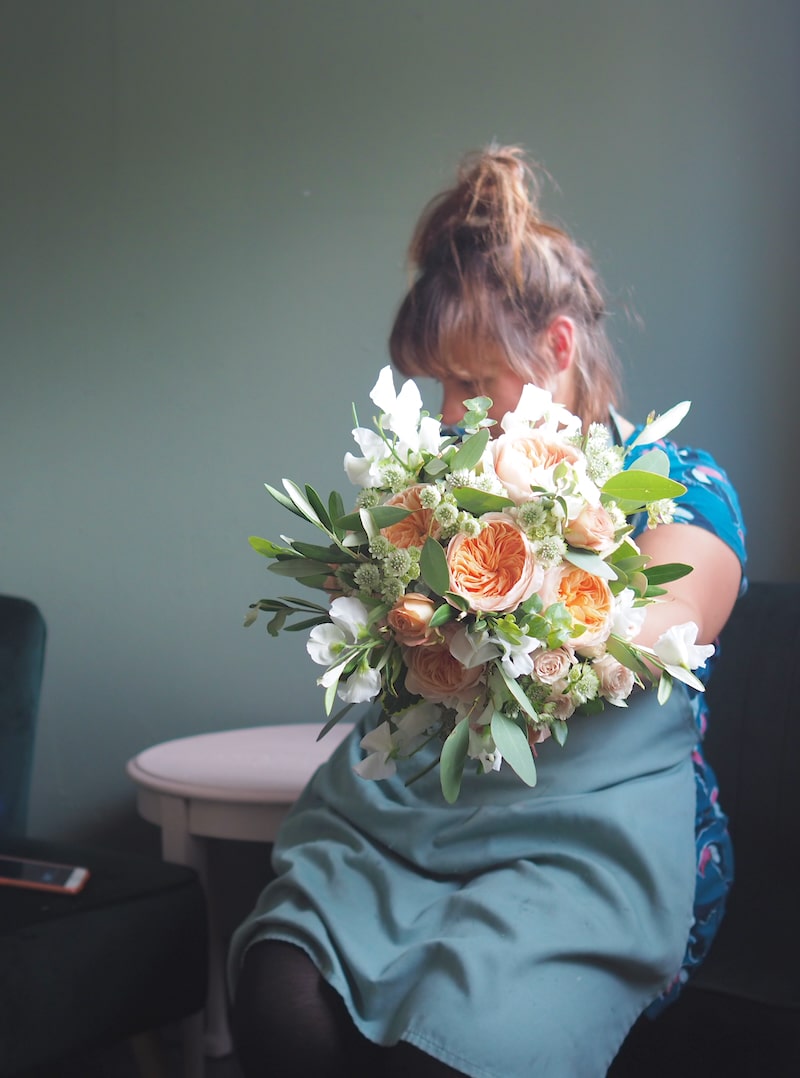
Invest in a few professional headshots, perhaps a photoshoot of you holding flowers and showcasing your designs, and you’ll be ready to launch a site that not only showcases your creativity but also builds trust with future clients.
Socials are important, reserve those handles quickly so that your names are consistent acriss your website and every platform. Use the same image as each of your profile pictures, and try not to change it up too often.
Find support, community and mentoring
After years in business, the one thing I wish I'd invested in from the start was a Floristry Mentor. Someone to keep me acocuntable, someone to save me years of trial and error and someone who could be my second pair of eyes.
Whilst you need to keep astride of trend changes and keep evolving your personal floristry style, I'd also urge you to invest in a floristry coach.
Some ways to keep growing:
- Take classes and workshops to keep your creativity flowing.
- Practice regularly by making time to simply create and play with flowers. For me, this is key to keeping the passion alive.
- Photograph your work to track your progress and build a portfolio.
- Find a mentor. Having someone experienced to guide you can save you years of trial and error. A mentor can keep you accountable, inspired, and focused, offering an outside perspective on your business.
- Connect with other florists and creatives. Floristry can feel lonely if you’re working solo, but community gives you support, encouragement, and collaboration opportunities.
Whilst many florists choose to work alone, you don’t have to build your business in isolation. The floristry industry has a wonderfully generous spirit, and surrounding yourself with the right people will help you thrive.
Start small and grow your floristry business
When you’re excited about starting a floristry business, it’s tempting to want to do everything all at once; weddings, subscriptions, events, retail, workshops, the lot.
Trying to juggle too much too soon is the quickest way to feel overwhelmed.
Instead, I'm here to give you permission to start small. Focus on one service or one type of client at first. That might mean working from your kitchen table while you experiment with your design style, or specialising in wedding flowers before expanding into everyday bouquets.
By narrowing your focus, you’ll be able to refine your skills, build your confidence, and learn what truly works for both you and your clients.
Then, once your foundations are strong, you can add in additional services to your business and grow at a pace that feels sustainable.
Frequently Asked Questions
Do I need a shop to start a floristry business?
No, you don’t need a shop to get started. Many florists begin from home or a small studio space. Focus first on building your portfolio, refining your style, and finding your ideal clients.
How much money do I need to start a floristry business?
Start-up costs vary depending on your goals. At the very least, you’ll need flowers, tools, and basic supplies. Investing in a simple website, good photography, and training or mentoring can also help you grow more quickly.
Do I need qualifications to become a florist?
Formal training isn’t always required, but classes and workshops can build your skills and confidence. What matters most is practice, passion, and developing your own style.
Should I focus on weddings, retail, or workshops?
There are many routes you can take in floristry. Start by asking yourself what excites you most and who your dream clients are. It’s often best to focus on one area first, then expand over time.
Start your floristry business with support
Starting a business can feel exciting, but also uncertain. Alongside the creative work, there are decisions around pricing, marketing, and building something that feels financially sustainable.
This is exactly why I now offer mentoring for florists. A helping hand to help you navigate those early stages with clarity, avoid common pitfalls, and build a business that works for you.Find out more about Floristry Mentorship